Posted on Leave a comment

A Beginner’s Guide to Vagus Nerve Stimulation : My Experience with the Zenowell Device

A Beginner’s Guide to Vagus Nerve Stimulation : My Experience with the Zenowell Device

Disclosure: Some of the links in this post are affiliate links. This means that if you click through and make a purchase, I may receive a small commission at no additional cost to you. I only share products I personally use and believe in.

What Is the Vagus Nerve and Why Does It Matter?

The vagus nerve is one of the most important communication pathways between the brain and body. It helps regulate heart rate, digestion, relaxation, and the “rest-and-digest” side of the nervous system. Because of its role in calming the body, the vagus nerve has become a major focus in wellness conversations – especially for those looking to support stress management and create more grounding routines.

One of the ways people explore vagus nerve support is through vagus nerve stimulation (VNS), a technique that uses gentle electrical impulses, vibration, breathwork, or temperature changes to activate the calming side of the nervous system. While clinical VNS devices require medical supervision, consumer wellness devices offer a more accessible, at-home way to incorporate vagus-focused practices into daily routines.


Why I Wanted to Try a Vagus Nerve Device

Zenowell LunaI’ve been paying more attention to nervous system regulation, slow living, and tools that make my evenings feel calmer and more grounded. I kept seeing discussions about the vagus nerve paired with breathwork, cold exposure, and mindfulness, but I was curious about how a device might fit into my routine.

That curiosity led me to the Zenowell Vagus Nerve Stimulator, a handheld, premium wellness device designed to support vagus-focused practices at home.


What Is the Zenowell Vagus Nerve Stimulator?

The Zenowell device is a non-invasive handheld tool that uses electrical micro-pulses to gently stimulate areas commonly associated with vagus nerve access points. It’s designed for home use and allows you to explore vagus-supporting routines without medical equipment or complicated setups.

Key Features

  • Adjustable intensity settings

  • Handheld intuitive design

  • Targeted placement guided by reference points

  • Sleek, travel-friendly size

  • Rechargeable with multiple session modes

These kinds of features are helpful for people seeking a structured way to experiment with vagus-nerve–focused wellness tools.


How Vagus Nerve Stimulation Supports Relaxation

Vagus nerve stimulation isn’t about quick fixes – it’s about supporting the way the body transitions into a calmer state. Many people incorporate vagus stimulation into routines such as:

      • evening wind-down rituals
  • breathwork sessions
  • meditation or journaling
  • warm baths or low-light environments
  • morning grounding practices

The idea is to gently encourage the body into a more relaxed mode, similar to other mindfulness techniques like slow breathing, gentle stretching, or humming.


My Experience Using the Zenowell Device

I found the Zenowell device most helpful when I paired it with habits I already enjoy – like slow evening routines, dim lighting, and quiet moments before bed. The handheld design made it easy to use without overthinking it, and the adjustable settings allowed me to find a level that felt comfortable and soothing.

I used it consistently during calm moments of my day rather than expecting immediate changes or results. It’s more of a supportive tool, like a diffuser, a journaling practice, or a grounding ritual.


Who Might Enjoy a Vagus Nerve Wellness Device?

A high-end wellness device like this may appeal to:

  • people exploring nervous system regulation

  • those who enjoy structured wellness routines

  • individuals who prefer tech-based tools

  • people who want a guided approach to relaxation

  • anyone curious about new wellness innovations

It’s also a good option for people who already invest in wellness tools like red-light devices, massage guns, meditation apps, or breathwork practices.


More Accessible Ways to Support the Vagus Nerve

Not everyone wants or needs a high-end wellness device, and that’s okay. There are many simple, low-cost ways to support the vagus nerve and create a calming routine using tools you may already have or can easily add to your home.

Below are a few approachable practices, along with free options and affordable products that pair well with nervous-system-focused routines.


1. Breathwork

One of the simplest ways to stimulate a relaxation response is through slow, intentional breathing. Practices like extended exhales, box breathing, or paced breathing can help signal the body to slow down.

Free resource:

Box breathing tutorial (YouTube has thousands of options)

Products to pair with breathwork:

Breathwork Book – A beginner-friendly guide to simple techniques.

Meditation Timer or App – Helps keep a steady pace during sessions.

Aromatherapy Diffuser – Supports a calm environment during practice.


2. Cold or Temperature Contrast

Temperature changes can play a role in calming the body. Something as simple as cool water on the face or a chilled gel mask can help you reset.

Free options:

• Splashing cool water on your face

• Stepping outside into fresh air for a moment

Products to enhance this practice:

Ice Roller – Great for face and neck cooling.

Gel Eye Mask – Can be chilled or warmed for contrast.

Stainless Steel Cooling Globes – Easy to store and use daily.


3. Gentle Vibration or Humming

Sound and vibration are often explored in nervous-system-supportive routines. Simple humming, chanting, or light vibration tools can create a soothing sensory experience.

Free options:

Humming or singing softly

Playing low-frequency calming music

Product add-ons:

Mini Vibration Tool – A small, targeted vibration device.

Sound Bowl or Tuning Fork – Creates gentle, calming tones.


4. Movement

Light movement is an easy way to support a calm body. Gentle stretching, yoga flows, or even short walks can help shift your energy.

Free options:

• A 10-minute stretching routine

• A short outdoor walk

Helpful products for a movement routine:

Yoga Mat – For stretching or grounding practices.

Acupressure Mat – Promotes relaxation post-stretch.

Foam Roller – Helps release tension in the shoulders and back.


5. Mindfulness Rituals

Mindfulness doesn’t have to be complicated. Simple rituals like journaling, grounding exercises, or quiet reflection can help regulate daily stress.

Free options:

5-minute check-in journaling

Guided meditations from YouTube

• A quiet moment with low lighting

Tools that complement mindfulness:

“Don’t Let Anybody Dull  Your Sparkle” Journal – A dedicated space for reflections and calm routines.

Meditation Cushion – Supports posture during mindfulness practices.

Soft Lighting or Flameless Candle – Helps set a relaxing mood.


Why These Tools Matter

These approaches can complement device-based routines or stand completely on their own if you prefer non-tech options. Whether you’re experimenting with breathwork, exploring calming rituals, or simply creating a cozy environment, these small habits add up and support a more intentional, grounded state.


Final Thoughts

Exploring vagus nerve stimulation has been an interesting addition to my wellness routine. For me, the Zenowell device isn’t meant to “fix” anything – it’s more about creating a ritual that signals calm, grounding, and intentional rest. If you’re curious about vagus nerve practices or want a structured tool to support your relaxation routine, you can learn more about the Zenowell device here and use my code LIFEBYJODY for a 15% discount.


Action over Words T-Shirt – Bold Vintage Lettering Graphic Tee

Posted on Leave a comment

De-Cember, De-Clutter, De-tach : Why I Declutter Every Season (Not Just in Spring)

declutter

De-Cember, De-Clutter, De-tach: Why I Declutter Every Season (Not Just in Spring)

There’s something about the end of the year, or honestly, any change of season, that makes me want to hit reset. And not in a chaotic, tear-your-house-apart kind of way… but in a slow, intentional way. This is why I declutter.

The kind of reset where you quietly look around your space and ask yourself:

Does this still add value to my life?

Does this still feel like me?

Or is it something I’m carrying out of habit, obligation, or guilt?

I came across a post recently that said:

“De-Cember, De-clutter, De-tach & De-lete anything that De-values your life. Don’t bring it into 2026.”

And honestly? That hit me.

Because spring cleaning doesn’t have a season, at least not for me.

I declutter when the weather shifts, when my energy shifts, when my life shifts.

New season, new light through the windows, new version of myself emerging and suddenly, clearing things out just feels right.

The interesting part? Every time I declutter, I feel physically lighter.

My brain gets quieter.

My space feels calmer.

I can think more clearly, almost like clutter creates mental noise that you don’t realize is there until it’s gone.

It’s not just about throwing things away.

It’s about making room for what actually matters.

Space to breathe.

Space to think.

Space to grow.


Swedish Death Cleaning Completely Changed the Way I Declutter

A while ago, I watched a documentary on Swedish Death Cleaning and it genuinely shifted something in me.

The concept isn’t as dark as it sounds. It’s actually grounded, gentle, and incredibly freeing.

Swedish death cleaning is about:

  • Letting go of things you no longer need

  • Organizing your life while you’re still able to

  • Making it easier on your loved ones later

  • Living with intention, not accumulation

It’s not about minimalism.

It’s about clarity.

Once I understood that, I started looking at my things differently.

Why am I keeping this?

Do I like it?

Do I use it?

Or am I saving it “just in case” for a version of me that doesn’t exist?

And the more I practiced letting go, the easier it became.


5 Things I Always Declutter When the Seasons Change

Here are a few areas I always revisit when I feel that seasonal reset energy coming on:

1. Products & Beauty Shelves

Expired skincare, old makeup, samples I kept “just to try.”

Gone.

It feels so good to start fresh.

2. Clothing That Doesn’t Feel Like Me Anymore

I’m convinced we shed identities the way trees shed leaves.

If it doesn’t fit my life, or my energy, I release it.

3. Digital Clutter

Screenshots, old emails, random notes I’ll never look at again.

A digital reset is as cleansing as a physical one.

4. Home Decor That Feels Heavy

I’m leaning more into lightness and simplicity these days.

If something feels visually loud, it goes.

5. “Just-In-Case” Items

This one was huge for me.

Most “just in case” items create more anxiety than they prevent.


A Season of Letting Go

This time of year, I’m letting go of more than just clutter:

  • Old patterns

  • Old obligations

  • Old versions of myself

  • Anything that feels heavy, draining, or expired

Because when you release what de-values your life, you make room for what can elevate it.

And honestly?

That’s the energy I’m taking into 2026.


If you’re feeling the urge to declutter too…

Start with one drawer.

One corner.

One shelf.

One bag of things you don’t need anymore.

You don’t have to overhaul your life, just clear enough space to breathe again.

Decluttering isn’t about perfection.

It’s about alignment.

And alignment always feels like home.

Do you declutter?

Posted on 1 Comment

The Soft Reset : Choosing Comfort Over Hustle This Fall

The Soft Reset : Choosing Comfort Over Hustle This Fall

There’s something about fall that always feels like a quiet invitation to start over. Maybe it’s the shift in the air, or the way everything seems to slow down just a little … the air feels crisp, mornings feel softer, light filters differently through the windows, and suddenly, the idea of doing less starts to feel like enough.

In the past, I used to treat fall like a fresh-start season. I’d make long lists of goals, reset routines, reorganize everything in sight, and convince myself that “new season, new me” was the only way forward. But lately, I’ve been craving something gentler.

This year, my fall reset looks less like a to-do list and more like a mindset shift.

I’m choosing comfort over hustle and peace over performance. I’ve stopped organizing my life around everyone else’s chaos.

That means staying in bed that extra five minutes, taking longer afternoon walks, treating myself to a nice meal, fewer tabs open, slower mornings with a mug that actually gets finished while it’s still warm, and setting my phone to Do Not Disturb when needed.

It means saying no to the constant push to optimize every part of my life and (trying) not feeling guilty for actually saying no (and that’s another challenge in itself). Saying yes to things I want to do, not simply doing things because I’m expected to or because someone asks. Taking some control back is the reset I’ve been looking for.

It’s funny how much we’re taught to associate “reset” with productivity. But sometimes, the best kind of reset is stepping away from the pressure to constantly improve. Maybe it’s organizing one drawer instead of the whole house. Maybe it’s curling up with a blanket and not feeling guilty for binge-watching your favorite show. Maybe it’s just giving yourself permission to not be in a rush.

So this season, I’m not chasing a better version of myself. I’m slowing down long enough to actually meet her, to find out her needs and wants. It’s time to show up for myself, take care of myself, and gently “reset” my brain.

If fall has always felt like a season of change for you too, maybe this year it can be the season of staying grounded instead. Light the candle. Put on your sweatpants. Listen to your favorite music. Dance like nobody’s watching. Take a deep breath and notice the small, good things.

That’s the kind of reset that lasts.

Posted on Leave a comment

Every Phase : The Herbal Drops That Make Hormone Balance Simple

EveryPhase

Every Phase : The Herbal Drops That Make Hormone Balance Simple

Disclosure: Some of the links in this post are affiliate links. This means that if you click through and make a purchase, I may receive a small commission at no additional cost to you. I only share products I personally use and believe in.

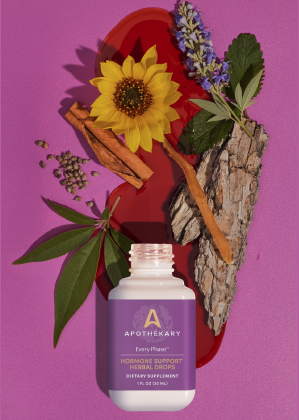
If you’ve been following me for a while, you know I’m always on the lookout for natural, science backed ways to feel my best every day. That’s why I’m so excited about Apothékary’s brand-new launch: Every Phase™, a hormone-support herbal drop designed to meet women exactly where they are … whether that’s PMS, peri/menopause, or simply the ups and downs of a stressful week.

I’ve been using Every Phase™ for about a month now, and I’m honestly impressed. It’s so convenient! I just drop it directly on my tongue (no mixing required), and it tastes good too. I’ve already noticed a difference: less night sweats and clearer focus with less brain fog. For me, that’s huge.

What’s Inside?

Every Phase™ is powered by a blend of plant-based ingredients, including:

  • Pycnogenol® Mediterranean Pine Bark – backed by 160+ clinical studies for cycle regularity, mood balance, and overall comfort.*
  • Chaste Tree Berry – supports healthy cycles and eases PMS discomfort.*
  • Lemon Balm Leaf – promotes calm and emotional well-being.*
  • Shatavari Root – an Ayurvedic herb used for centuries to support hormonal balance and vitality.*

It’s truly designed for every phase of a woman’s life – from cramps to hot flashes to those unpredictable mood swings.

More From Apothékary

Bestselling TrioIf you’re curious about exploring more of Apothékary’s wellness offerings, I also love The Bestsellers Trio. It’s a simple way to sample three of their top herbal drops:

  • Blue Burn™ – for metabolism support, workout recovery, and sustained energy.*
  • Take The Edge Off® – helps manage daily stress and promotes relaxation.*
  • Wine Down™ – supports deep relaxation and restful sleep.*

Each one tastes great (no bitter or “herbal medicine” aftertaste!) and can be taken the same way: just a few drops on the tongue. It’s wellness made simple and consistent—something I really appreciate.

Why I Love These Herbal Drops

What stands out to me about Apothékary is how easy and convenient they make wellness. No powders to mix, no capsules to swallow—just herbal drops you can take anywhere, anytime. And they fit seamlessly into daily routines.

If you’re curious to try them out, you can shop through my Apothékary link here and use my code JODYBOEHMER to save on your order.

*These statements have not been evaluated by the Food and Drug Administration. This product is not intended to diagnose, treat, cure, or prevent any disease.

Posted on Leave a comment

5 Easy Self-Care Rituals to Feel Calmer and Happier This Season

self care

5 Easy Self-Care Rituals to Feel Calmer and Happier This Season

Self-care doesn’t have to mean overhauling your entire life. Sometimes, the smallest rituals end up making the biggest difference. This season, I’ve been leaning into a few simple habits that help me feel more grounded, refreshed, and just a little more like myself. These are the five little self-care rituals I’m loving right now — and maybe one (or all!) of them will inspire you to treat yourself with a little more love too.


1. Starting My Day with Gratitude (and My Favorite Journal)

Before I even grab my tea, I spend a few quiet minutes journaling. Nothing fancy … just a couple of thoughts, things I’m grateful for, or what I’m hoping to focus on that day. It’s a grounding way to start the morning, especially on days when life feels chaotic.

I created a journal just for this purpose  … it’s simple, calming, and designed with intention. You can check it out here if you’re looking for one that feels like it was made for you.Sparkle Notebookd

Don’t Let Anybody Dull Your Sparkle Notebook


2. Mask + Tea Time (My Favorite 10-Minute Reset)

At least once a week, I take ten minutes to do an at-home facial mask while I sip tea and sit in total silence (or scroll TikTok — no judgment here). Lately, I’ve been loving this calming mask paired with a cup of lavender chamomile. It’s amazing what ten minutes can do when you just pause.beekman facial

Beekman Resurfacing Facial (use code JODYB20 for 20% off)

Funny Adulting 1 Star Review Mug

tea

Bigelow Lavender Chamomile Tea


3. Morning Walks with a Podcast

Getting outside, even if it’s just for a quick walk around the block, does wonders for my mindset. I throw on a hoodie, cue up a favorite podcast or playlist, and soak in the fresh air. It’s part movement, part meditation. (If you’re looking for a great listen, I just shared some of my current favs on my Instagram stories.)

ryka

Ryka Devotion X Walking Shoe


4. Keeping My Nightstand Stocked with Sleep Helpers

Sleep has been a journey for me, and I’ve learned that little things make a big difference. I keep a pillow spray, a sleep mask and sleep gummies within reach on my nightstand. That little routine of winding down with scent and calm helps cue my brain for rest.

sleeping enhancing gummiesHA Routine Sleep Enhancing Gummies

Dr. Teal’s Sleep Spray

Manta Sleep Mask


5. Unplugged Evenings (Even If Just for 30 Minutes)

This one’s tough, but I try to set my phone down and read or stretch for 30 minutes before bed. I’m not perfect, but the nights I do? Total game changer for my sleep and stress levels.


 Get my free self-care habit tracker! It’s a simple printable you can use to build your own rituals.

Download My Self Care Habit Tracker for FREE

Want more rituals like these?

Let me know in the comments or over on Instagram (@MuayThaiJody) what small self-care rituals are keeping you grounded right now. And if you try any of these, tag me, I love seeing your routines too!

This post may include affiliate links. If you purchase through them, I may earn a small commission at no extra cost to you. Thank you for supporting my content and small business!

Posted on 3 Comments

New Year, New Glow : Self-Care Practices to Start 2025 Right

New Year, New Glow : Self-Care Practices to Start 2025 Right

The beginning of a new year is the perfect time to hit reset and focus on yourself. With the hustle and bustle of the holidays behind us, January offers an opportunity to prioritize your well-being. Let’s dive into some self-care practices that will help you start 2025 glowing—inside and out.

This post contains affiliate links. If you make a purchase through these links, I may earn a small commission at no additional cost to you. Thank you for your support!

Physical Self-Care: Nourish and Flourish

Your body is your temple, and taking care of it is the foundation of self-care. Here are some simple ways to honor your physical health:

Revamp Your Skincare Routine: The winter months can be harsh on your skin, so hydrate and protect it with a solid skincare regimen. Start with a gentle cleanser, followed by a hydrating serum and moisturizer. Don’t forget sunscreen—even in winter!  Here are some products that are great for dry, winter skin:

Get Moving: Whether it’s yoga, brisk walking, or even dancing in your living room, find a way to stay active that brings you joy. Consistent movement boosts endorphins and keeps you feeling energized.

Fuel Your Body Well:  Incorporate nutrient-dense foods into your meals. A smoothie can be a great on-the-go option, and meal prepping can make healthy eating easier.

I’ve found that smoothies are lifesavers on busy days. I recently discovered Truvani’s vegan and gluten-free protein powder, which has only five pronounceable ingredients—no chalky or weird aftertaste. For snacks, I’m obsessed with Truvani’s Chocolate Chip Banana Bread Bar; it tastes like actual banana bread! I just ordered the variety pack to try all the flavors.

When life gets hectic, I also rely on food delivery services. I’ve tried HelloFresh and Blue Apron, but lately, I’ve been loving Tovala. Their smart oven scans meal cards and cooks everything perfectly, from toast to filet mignon. Even if you stop ordering meals, the oven is worth keeping for its versatility.

Mental Self-Care: Clear Your Mind

Caring for your mental well-being is just as important as taking care of your body. Practice mindfulness, take 10 minutes each morning to sit in stillness, focus on your breath, or try a guided meditation. This helps center your mind for the day ahead.  Headspace is a  popular app that offers you can learn about the basics of meditation and they even offer a 14 day free trial.

 I had heard about vagus nerve devices and was very curious about them so I waited for a sale and purchased the Apollo Neuro which is designed to offer the benefits of mindfulness practices like meditation and breathwork, through our body’s natural response to touch, it evens boasts better sleep.  After one week I was hooked on it, it not only helps increase my deep sleep time but it also helps when I’m stressed or have anxiety.  The gentle vibrations really help keep me calm.  My Apple Health app picks it up as 468 min of mindful minutes a day!

Set Boundaries: Protect your mental energy by saying no to things that don’t serve you. Start prioritizing what truly matters.  I like to keep a board in my room that says “set boundaries” to always remind myself that I am the captain of my ship.  It’s not always easy to say no but over time it does become easier.

Journal Your Thoughts: Writing down your feelings and reflections can be incredibly therapeutic. Start by jotting down three things you’re grateful for each day. I like using an inspirational journal to write down and reflect my thoughts.

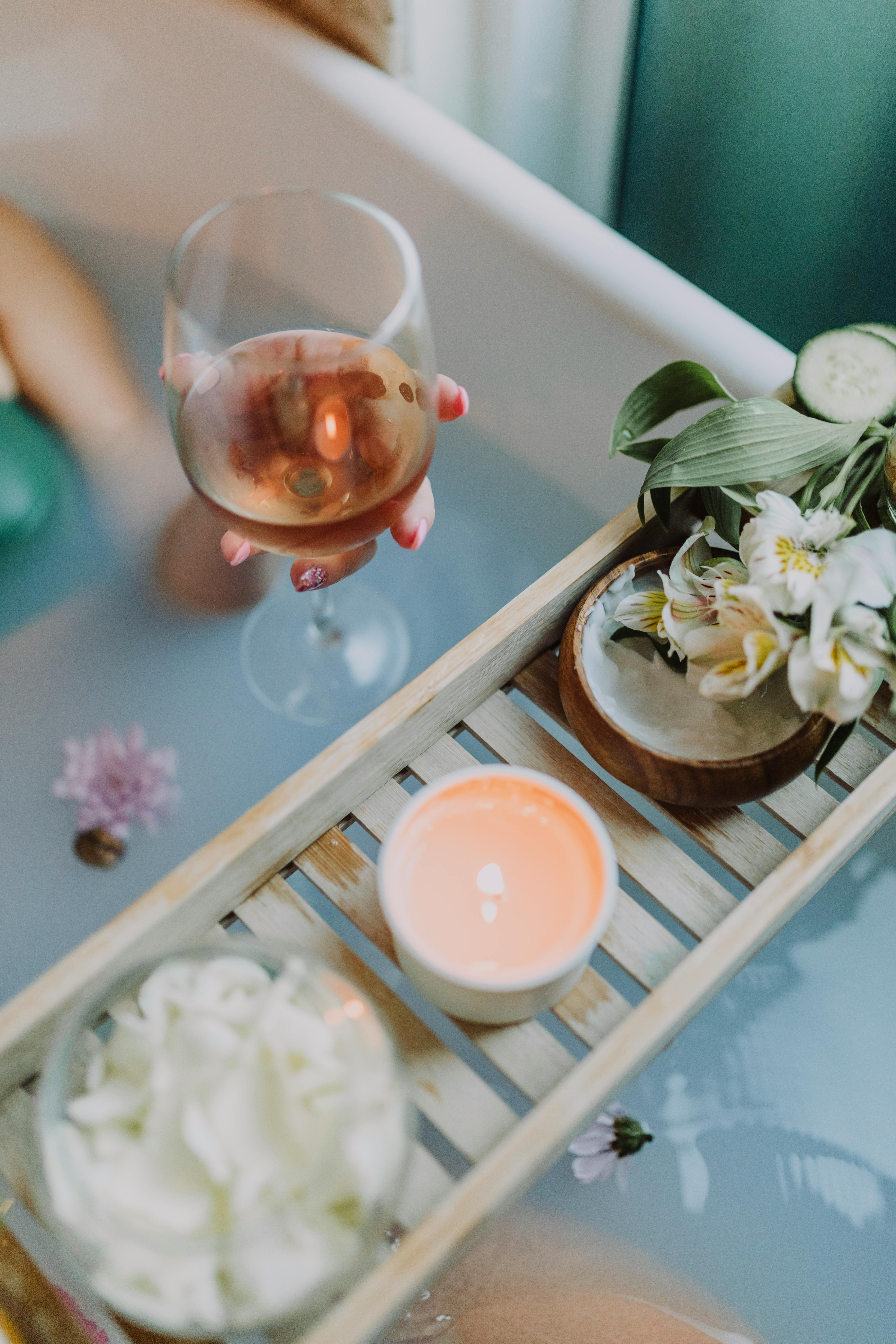
Create a Self-Care Ritual: Dedicate an evening to pampering yourself—run a bubble bath, light candles, and listen to your favorite music or watch your favorite binge worthy show.

self careEmotional Self-Care: Fill Your Cup

Your emotional well-being is the cornerstone of your happiness. Here are some ways to nurture it:

Create a Self-Care Ritual: Dedicate one evening a week to pampering yourself. Draw a bubble bath, light candles, and indulge in your favorite playlist or binge-worthy show.

Pursue Joyful Hobbies: Make time for activities that spark joy. This year, I plan to dive into creative outlets like bedazzling accessories and painting.

Stay Connected: Relationships play a big role in emotional health. Schedule regular coffee dates or phone calls with friends and loved ones who uplift you.

My Self-Care Journey for 2025

Last year was a whirlwind for me, and I often put my needs on the back burner. But not this year! My plan for 2025 includes morning meditation, evening skincare rituals, and making time for creative hobbies like bedazzling my favorite things and painting. I’m also committing to moving more—whether it’s riding my bike or just walking around the neighborhood.

self careThe most important lesson I’ve learned? Self-care isn’t selfish; it’s essential.

Final Thoughts

This January, let self-care take center stage. By nourishing your physical, mental, and emotional well-being, you’ll be ready to handle anything 2025 has in store.

Remember: when you take care of yourself, everything else falls into place.

Which self-care practice will you try first? Let me know in the comments below!

Don’t Let Anyone Dull Your Sparkle Notebook – Ruled Line

Posted on 1 Comment

Red Light Therapy : Benefits, Uses, and How It Works

red light therapy

Red Light Therapy : Benefits, Uses, and How It Works

red light therapyThis post contains affiliate links. If you make a purchase through these links, I may earn a small commission at no additional cost to you. Thank you for your support!

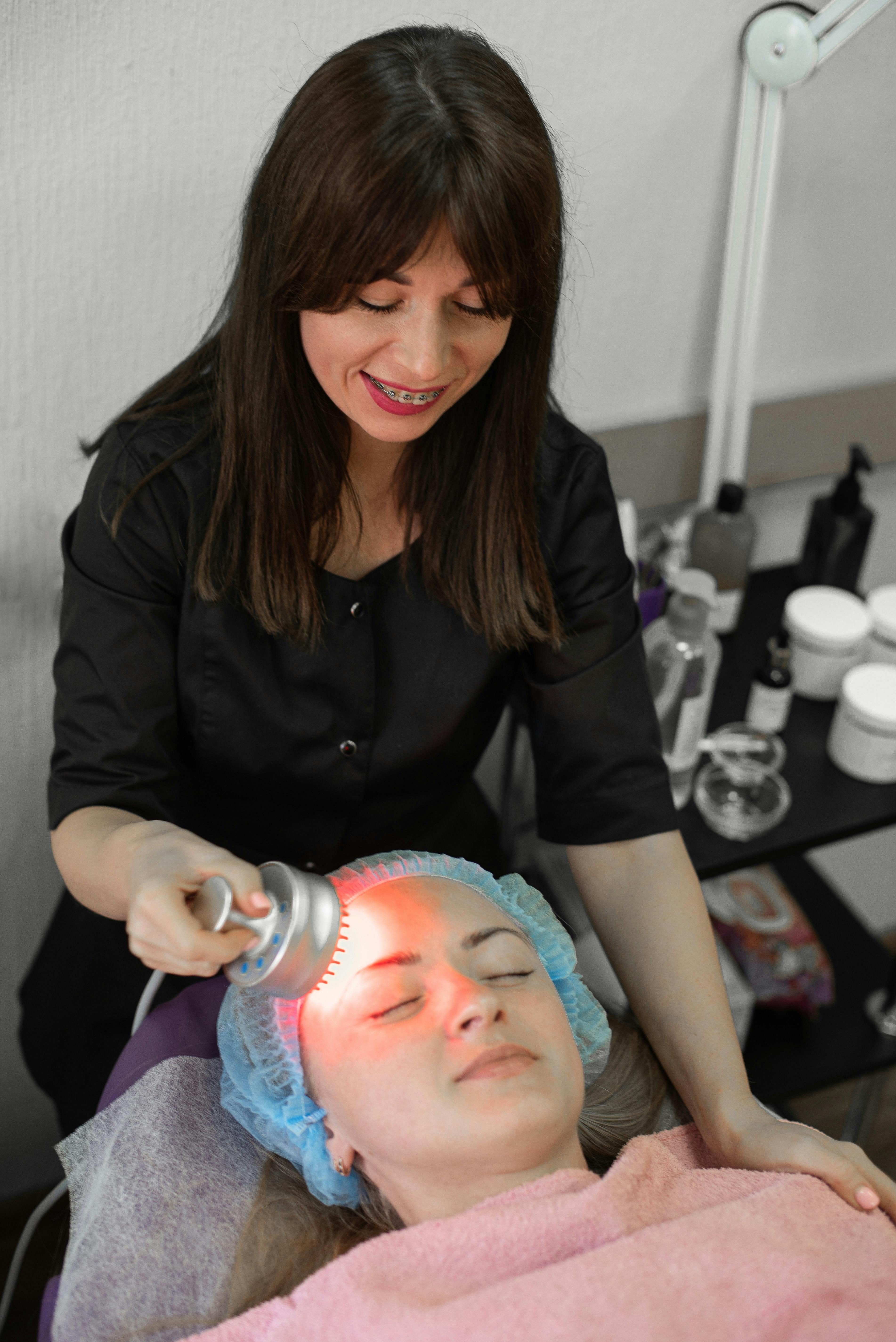
Red light therapy (RLT) has quickly become one of the most popular wellness treatments, celebrated for its versatility in addressing a wide range of concerns, from pain management to skin health. This innovative therapy uses low levels of red light to help improve skin appearance by reducing wrinkles, scars, redness, and acne. Beyond aesthetics, it’s also known for its potential to treat various medical conditions.

According to the Cleveland Clinic, LED light therapy has been shown to address numerous skin concerns and conditions, including eczema, hair loss, mild to moderate acne, psoriasis, rough and scaly precancerous spots (actinic keratosis), rosacea, sun damage, wounds, and wrinkles.

In this post, we’ll explore how red light therapy works, its diverse applications, and the science-backed benefits that make it a powerful tool for self-care.

What is Red Light Therapy?

Red light therapy is also sometimes called low-level laser therapy, low-power laser therapy, low-power laser, or photobiomodulation, which uses specific wavelengths of red and near-infrared light to penetrate the skin. These light wavelengths work on a cellular level, energizing cells and enhancing natural healing processes. By boosting cellular function, red light therapy has shown promising results for multiple conditions.

How Red Light Therapy Works

According to Healthline, this red light exposure may produce a positive biochemical effect in your cells that strengthens the mitochondria, which is where the cell’s energy is created. RLT may do this by increasing the transportation of electrons, oxygen consumption, and your levels of ATP (adenosine triphosphate). By increasing the energy of the mitochondria, cells may function more efficiently, as well as rejuvenate and repair themselves.

Benefits and Uses of Red Light Therapy

1. Reduces Inflammation and Aids in Recovery

•Red light therapy helps reduce inflammation by improving blood circulation and decreasing oxidative stress within cells. This benefit is particularly helpful for people with chronic conditions like arthritis, as well as for athletes seeking faster recovery post-workout.

Suggested use: Incorporate red light therapy sessions after workouts to reduce soreness and support muscle recovery.

red light therapy

2. Enhances Skin Health and Reduces Signs of Aging

•Studies have shown that red light therapy boosts collagen production, which helps improve skin elasticity and reduce wrinkles. It also enhances cell turnover, leading to smoother and more even skin.

•Red light can be beneficial for treating acne, as it reduces inflammation and calms irritated skin without causing dryness or sensitivity.

Suggested use: Use red light therapy for 10-20 minutes a few times a week to enhance skin tone and texture.

red light therapy

3. Pain Management and Joint Relief

•For those suffering from chronic pain conditions like joint pain or fibromyalgia, red light therapy offers a natural option for relief. The therapy’s ability to reduce inflammation while improving circulation can alleviate joint and muscle pain.

•Many people report relief from conditions such as arthritis, lower back pain, and neuropathic pain with regular RLT sessions.

Suggested use: Apply red light therapy to affected areas as part of a daily or weekly pain management routine.red light therapy

4. Boosts Mood and Reduces Symptoms of Depression

•Red light therapy may help regulate mood by balancing serotonin levels, which can improve overall well-being. It’s especially beneficial during the winter months when Seasonal Affective Disorder (SAD) is more common.

•While not a replacement for traditional treatments, red light therapy can offer a complementary approach to improving mood.

Suggested use: Use red light therapy for about 20-30 minutes daily, especially during darker winter months.

5. Improves Sleep Quality

•RLT can also promote better sleep by balancing circadian rhythms. By exposing yourself to red light therapy in the evening, you signal your body to prepare for rest, which can lead to improved sleep quality.

Suggested use: Use red light therapy in the evening to promote relaxation and support sleep quality.

How to Incorporate Red Light Therapy into Your Routine

Adding red light therapy to your wellness routine is simple. Here are some tips to get started:

Devices: You can purchase home devices or panels, or visit a wellness spa for professional treatments.  Professional treatments can cost upwards of $200+ depending on where you live and other factors. Platinum Therapy Lights provides a wide range of affordable, high-quality options to suit your needs. Whether you’re looking for large panels or compact designs, they offer a versatile selection to help you find the perfect fit without compromising on quality.

Frequency: For best results, aim for a few sessions per week, based on your needs. Pain relief may benefit from daily use, while skin treatments might only need a few times per week.

Consistency: Like any therapy, consistency is key. Regular use over time will yield the best results.

Final Thoughts

Red light therapy is a powerful, natural tool that can help enhance physical wellness, support mental health, and improve overall quality of life. With minimal side effects, it’s an appealing option for anyone looking to support their health in a holistic, non-invasive way. Whether you’re looking to reduce inflammation, improve skin health, or simply enhance relaxation, red light therapy could be the next valuable addition to your self-care routine.


Why Advent Calendars Make the Perfect Gift – and My Top Picks 2024!

Holiday Gift Guide : Must-Have Beauty and Self-Care Gifts