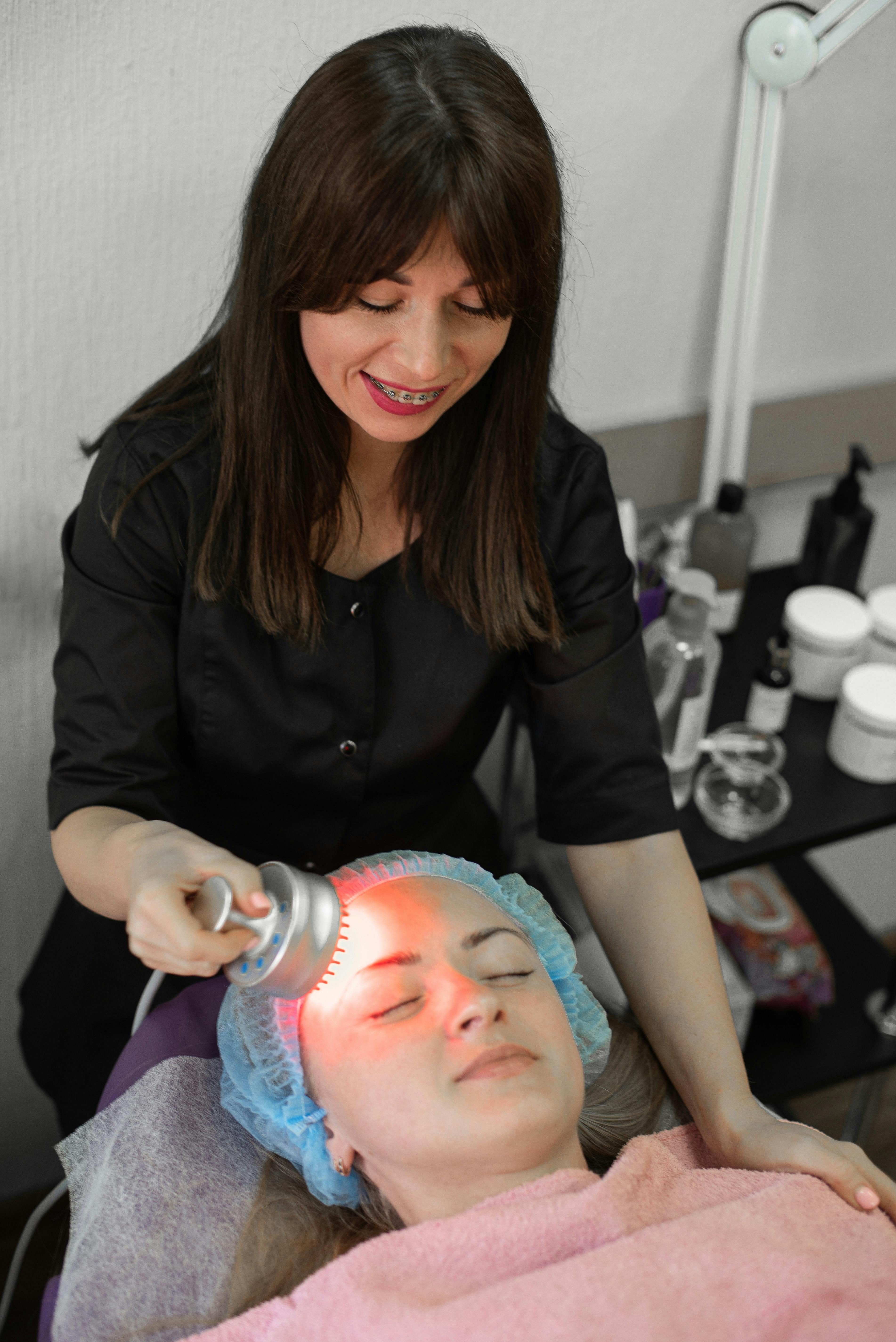
Red Light Therapy : Benefits, Uses, and How It Works
 This post contains affiliate links. If you make a purchase through these links, I may earn a small commission at no additional cost to you. Thank you for your support!

Red light therapy (RLT) has quickly become one of the most popular wellness treatments, celebrated for its versatility in addressing a wide range of concerns, from pain management to skin health. This innovative therapy uses low levels of red light to help improve skin appearance by reducing wrinkles, scars, redness, and acne. Beyond aesthetics, it’s also known for its potential to treat various medical conditions.
According to the Cleveland Clinic, LED light therapy has been shown to address numerous skin concerns and conditions, including eczema, hair loss, mild to moderate acne, psoriasis, rough and scaly precancerous spots (actinic keratosis), rosacea, sun damage, wounds, and wrinkles.
In this post, we’ll explore how red light therapy works, its diverse applications, and the science-backed benefits that make it a powerful tool for self-care.
What is Red Light Therapy?
Red light therapy is also sometimes called low-level laser therapy, low-power laser therapy, low-power laser, or photobiomodulation, which uses specific wavelengths of red and near-infrared light to penetrate the skin. These light wavelengths work on a cellular level, energizing cells and enhancing natural healing processes. By boosting cellular function, red light therapy has shown promising results for multiple conditions.
How Red Light Therapy Works
According to Healthline, this red light exposure may produce a positive biochemical effect in your cells that strengthens the mitochondria, which is where the cell’s energy is created. RLT may do this by increasing the transportation of electrons, oxygen consumption, and your levels of ATP (adenosine triphosphate). By increasing the energy of the mitochondria, cells may function more efficiently, as well as rejuvenate and repair themselves.
Benefits and Uses of Red Light Therapy
1. Reduces Inflammation and Aids in Recovery
•Red light therapy helps reduce inflammation by improving blood circulation and decreasing oxidative stress within cells. This benefit is particularly helpful for people with chronic conditions like arthritis, as well as for athletes seeking faster recovery post-workout.
•Suggested use: Incorporate red light therapy sessions after workouts to reduce soreness and support muscle recovery.

2. Enhances Skin Health and Reduces Signs of Aging
•Studies have shown that red light therapy boosts collagen production, which helps improve skin elasticity and reduce wrinkles. It also enhances cell turnover, leading to smoother and more even skin.
•Red light can be beneficial for treating acne, as it reduces inflammation and calms irritated skin without causing dryness or sensitivity.
•Suggested use: Use red light therapy for 10-20 minutes a few times a week to enhance skin tone and texture.

3. Pain Management and Joint Relief
•For those suffering from chronic pain conditions like joint pain or fibromyalgia, red light therapy offers a natural option for relief. The therapy’s ability to reduce inflammation while improving circulation can alleviate joint and muscle pain.
•Many people report relief from conditions such as arthritis, lower back pain, and neuropathic pain with regular RLT sessions.
•Suggested use: Apply red light therapy to affected areas as part of a daily or weekly pain management routine.
4. Boosts Mood and Reduces Symptoms of Depression
•Red light therapy may help regulate mood by balancing serotonin levels, which can improve overall well-being. It’s especially beneficial during the winter months when Seasonal Affective Disorder (SAD) is more common.
•While not a replacement for traditional treatments, red light therapy can offer a complementary approach to improving mood.
•Suggested use: Use red light therapy for about 20-30 minutes daily, especially during darker winter months.
5. Improves Sleep Quality
•RLT can also promote better sleep by balancing circadian rhythms. By exposing yourself to red light therapy in the evening, you signal your body to prepare for rest, which can lead to improved sleep quality.
•Suggested use: Use red light therapy in the evening to promote relaxation and support sleep quality.
How to Incorporate Red Light Therapy into Your Routine
Adding red light therapy to your wellness routine is simple. Here are some tips to get started:
•Devices: You can purchase home devices or panels, or visit a wellness spa for professional treatments. Professional treatments can cost upwards of $200+ depending on where you live and other factors. Platinum Therapy Lights provides a wide range of affordable, high-quality options to suit your needs. Whether you’re looking for large panels or compact designs, they offer a versatile selection to help you find the perfect fit without compromising on quality.
•Frequency: For best results, aim for a few sessions per week, based on your needs. Pain relief may benefit from daily use, while skin treatments might only need a few times per week.
•Consistency: Like any therapy, consistency is key. Regular use over time will yield the best results.
Final Thoughts
Red light therapy is a powerful, natural tool that can help enhance physical wellness, support mental health, and improve overall quality of life. With minimal side effects, it’s an appealing option for anyone looking to support their health in a holistic, non-invasive way. Whether you’re looking to reduce inflammation, improve skin health, or simply enhance relaxation, red light therapy could be the next valuable addition to your self-care routine.
Why Advent Calendars Make the Perfect Gift – and My Top Picks 2024!
Holiday Gift Guide : Must-Have Beauty and Self-Care Gifts