
A Beginner’s Guide to Vagus Nerve Stimulation : My Experience with the Zenowell Device
Disclosure: Some of the links in this post are affiliate links. This means that if you click through and make a purchase, I may receive a small commission at no additional cost to you. I only share products I personally use and believe in.
What Is the Vagus Nerve and Why Does It Matter?
The vagus nerve is one of the most important communication pathways between the brain and body. It helps regulate heart rate, digestion, relaxation, and the “rest-and-digest” side of the nervous system. Because of its role in calming the body, the vagus nerve has become a major focus in wellness conversations – especially for those looking to support stress management and create more grounding routines.
One of the ways people explore vagus nerve support is through vagus nerve stimulation (VNS), a technique that uses gentle electrical impulses, vibration, breathwork, or temperature changes to activate the calming side of the nervous system. While clinical VNS devices require medical supervision, consumer wellness devices offer a more accessible, at-home way to incorporate vagus-focused practices into daily routines.
Why I Wanted to Try a Vagus Nerve Device
 I’ve been paying more attention to nervous system regulation, slow living, and tools that make my evenings feel calmer and more grounded. I kept seeing discussions about the vagus nerve paired with breathwork, cold exposure, and mindfulness, but I was curious about how a device might fit into my routine.
That curiosity led me to the Zenowell Vagus Nerve Stimulator, a handheld, premium wellness device designed to support vagus-focused practices at home.
What Is the Zenowell Vagus Nerve Stimulator?
The Zenowell device is a non-invasive handheld tool that uses electrical micro-pulses to gently stimulate areas commonly associated with vagus nerve access points. It’s designed for home use and allows you to explore vagus-supporting routines without medical equipment or complicated setups.
Key Features
-
Adjustable intensity settings
-
Handheld intuitive design
-
Targeted placement guided by reference points
-
Sleek, travel-friendly size
-
Rechargeable with multiple session modes
These kinds of features are helpful for people seeking a structured way to experiment with vagus-nerve–focused wellness tools.
How Vagus Nerve Stimulation Supports Relaxation
 Vagus nerve stimulation isn’t about quick fixes – it’s about supporting the way the body transitions into a calmer state. Many people incorporate vagus stimulation into routines such as:
-
-
- evening wind-down rituals
-
- breathwork sessions
- meditation or journaling
- warm baths or low-light environments
- morning grounding practices
The idea is to gently encourage the body into a more relaxed mode, similar to other mindfulness techniques like slow breathing, gentle stretching, or humming.
 My Experience Using the Zenowell Device

I found the Zenowell device most helpful when I paired it with habits I already enjoy – like slow evening routines, dim lighting, and quiet moments before bed. The handheld design made it easy to use without overthinking it, and the adjustable settings allowed me to find a level that felt comfortable and soothing.
I used it consistently during calm moments of my day rather than expecting immediate changes or results. It’s more of a supportive tool, like a diffuser, a journaling practice, or a grounding ritual.
Who Might Enjoy a Vagus Nerve Wellness Device?
A high-end wellness device like this may appeal to:
-
people exploring nervous system regulation
-
those who enjoy structured wellness routines
-
individuals who prefer tech-based tools
-
people who want a guided approach to relaxation
-
anyone curious about new wellness innovations
It’s also a good option for people who already invest in wellness tools like red-light devices, massage guns, meditation apps, or breathwork practices.
More Accessible Ways to Support the Vagus Nerve
Not everyone wants or needs a high-end wellness device, and that’s okay. There are many simple, low-cost ways to support the vagus nerve and create a calming routine using tools you may already have or can easily add to your home.
Below are a few approachable practices, along with free options and affordable products that pair well with nervous-system-focused routines.
1. Breathwork
One of the simplest ways to stimulate a relaxation response is through slow, intentional breathing. Practices like extended exhales, box breathing, or paced breathing can help signal the body to slow down.
Free resource:
• Box breathing tutorial (YouTube has thousands of options)
Products to pair with breathwork:
• Breathwork Book – A beginner-friendly guide to simple techniques.
• Meditation Timer or App – Helps keep a steady pace during sessions.
• Aromatherapy Diffuser – Supports a calm environment during practice.
2. Cold or Temperature Contrast
Temperature changes can play a role in calming the body. Something as simple as cool water on the face or a chilled gel mask can help you reset.
Free options:
• Splashing cool water on your face
• Stepping outside into fresh air for a moment
Products to enhance this practice:
• Ice Roller – Great for face and neck cooling.
• Gel Eye Mask – Can be chilled or warmed for contrast.
• Stainless Steel Cooling Globes – Easy to store and use daily.
3. Gentle Vibration or Humming
Sound and vibration are often explored in nervous-system-supportive routines. Simple humming, chanting, or light vibration tools can create a soothing sensory experience.
Free options:
• Humming or singing softly
• Playing low-frequency calming music
Product add-ons:
• Mini Vibration Tool – A small, targeted vibration device.
• Sound Bowl or Tuning Fork – Creates gentle, calming tones.
4. Movement
Light movement is an easy way to support a calm body. Gentle stretching, yoga flows, or even short walks can help shift your energy.
Free options:
• A 10-minute stretching routine
• A short outdoor walk
Helpful products for a movement routine:
• Yoga Mat – For stretching or grounding practices.
• Acupressure Mat – Promotes relaxation post-stretch.
• Foam Roller – Helps release tension in the shoulders and back.
5. Mindfulness Rituals
Mindfulness doesn’t have to be complicated. Simple rituals like journaling, grounding exercises, or quiet reflection can help regulate daily stress.
Free options:
• 5-minute check-in journaling
• Guided meditations from YouTube
• A quiet moment with low lighting
Tools that complement mindfulness:
• “Don’t Let Anybody Dull Your Sparkle” Journal – A dedicated space for reflections and calm routines.
• Meditation Cushion – Supports posture during mindfulness practices.
• Soft Lighting or Flameless Candle – Helps set a relaxing mood.
Why These Tools Matter
These approaches can complement device-based routines or stand completely on their own if you prefer non-tech options. Whether you’re experimenting with breathwork, exploring calming rituals, or simply creating a cozy environment, these small habits add up and support a more intentional, grounded state.
Final Thoughts
Exploring vagus nerve stimulation has been an interesting addition to my wellness routine. For me, the Zenowell device isn’t meant to “fix” anything – it’s more about creating a ritual that signals calm, grounding, and intentional rest. If you’re curious about vagus nerve practices or want a structured tool to support your relaxation routine, you can learn more about the Zenowell device here and use my code LIFEBYJODY for a 15% discount.
Action over Words T-Shirt – Bold Vintage Lettering Graphic Tee







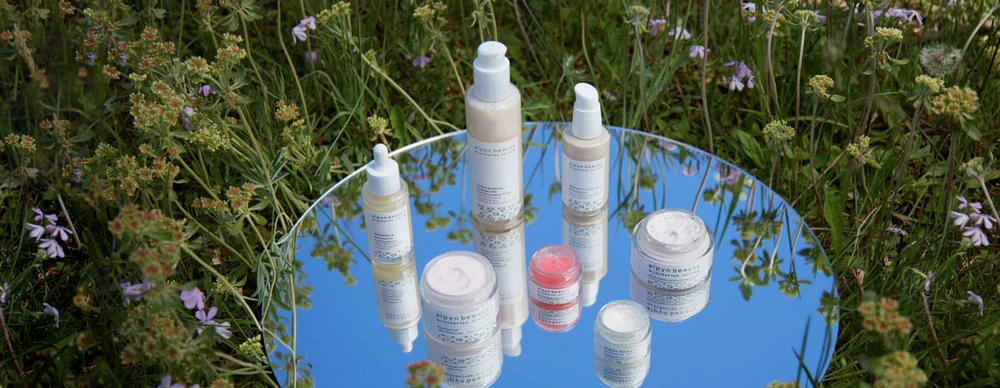


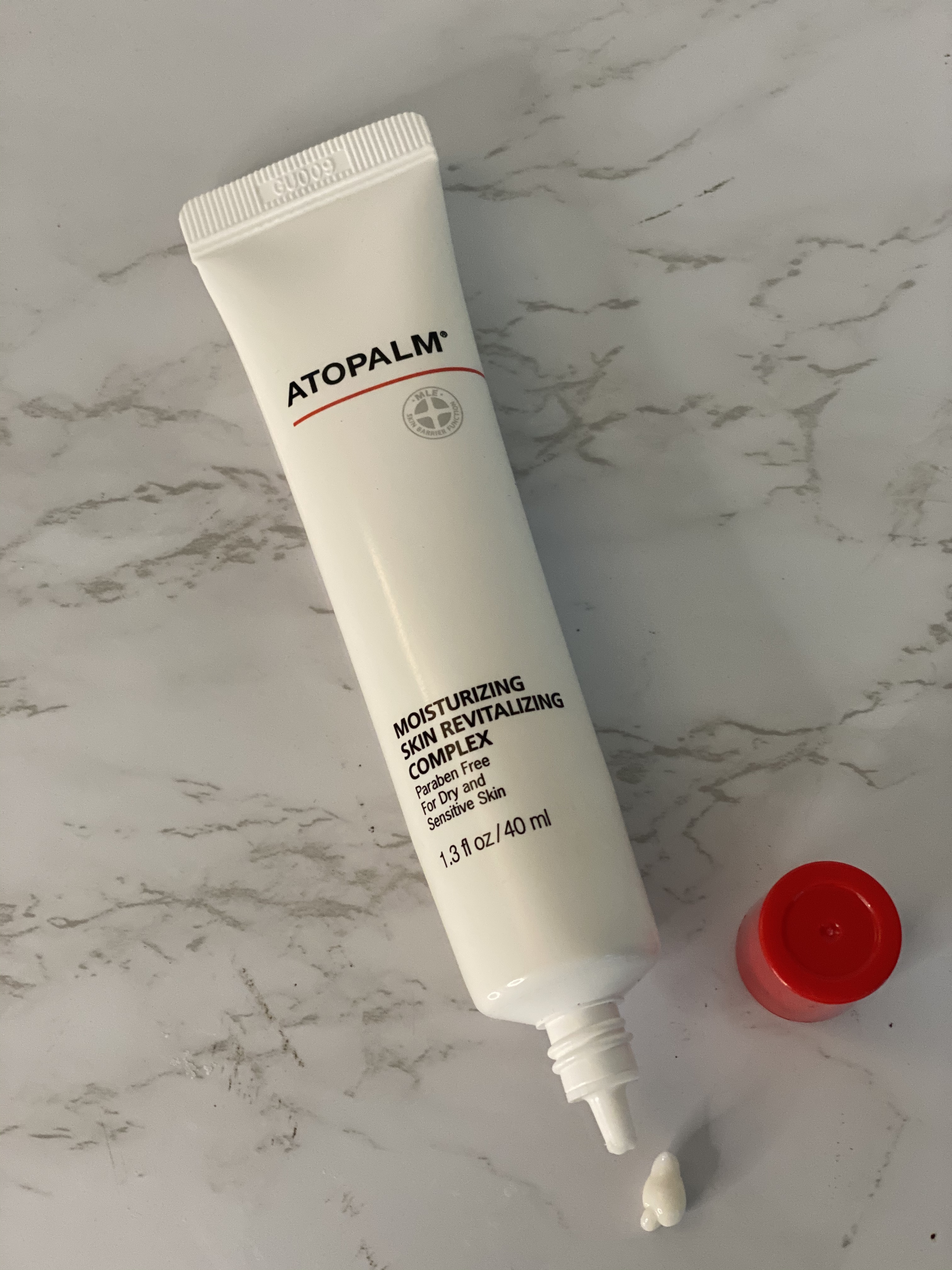
 Atopalm Moisturizing Revitalizing Complex is a rich, advanced anti-aging skin care treatment for all aging skin types. It targets fine lines, wrinkles, laugh lines, rough skin, and more using a blend of peptides, vitamin C, and other unique anti-aging ingredients. It also uses Atopalm’s MLE technology to replenish hydration, leading to a softer, suppler, and more radiant complexion. It is good for dry and sensitive skin.


 Loving all my @oceanshalo products!

